

The price of oil surpassed US$100 a barrel for the first time since July after attacks on oil facilities and ships in the Middle East threatened to debilitate an already weakened supply chain.

Brent crude, the international standard, jumped nearly three per cent to $100.72 early Wednesday.
U.S. benchmark crude gained 2.4 per cent to $95.25 a barrel, and U.S. gasoline prices rose sharply overnight.
The average price for a gallon of regular gasoline ticked up seven cents overnight to hit $4.22 a gallon, now more than a dollar above what it cost at this point last year, according to AAA.
Diesel prices, which can have an outsized impact on consumers because it is used in shipping and production, hit an all-time high Friday and has continued to climb since. The average price for a gallon reached $5.94 overnight and is now 9 cents higher than it was Friday.
In Canada, the national average price for regular grade gasoline hit CA$1.77 a litre Wednesday, up from $1.73 a week earlier, according to CAA.
Jet fuel has become so expensive that U.S. and international carriers have cut flights while raising fares and fees.
Related Videos

Trump admin concerned about rising gas prices ahead of Labour Day weekend
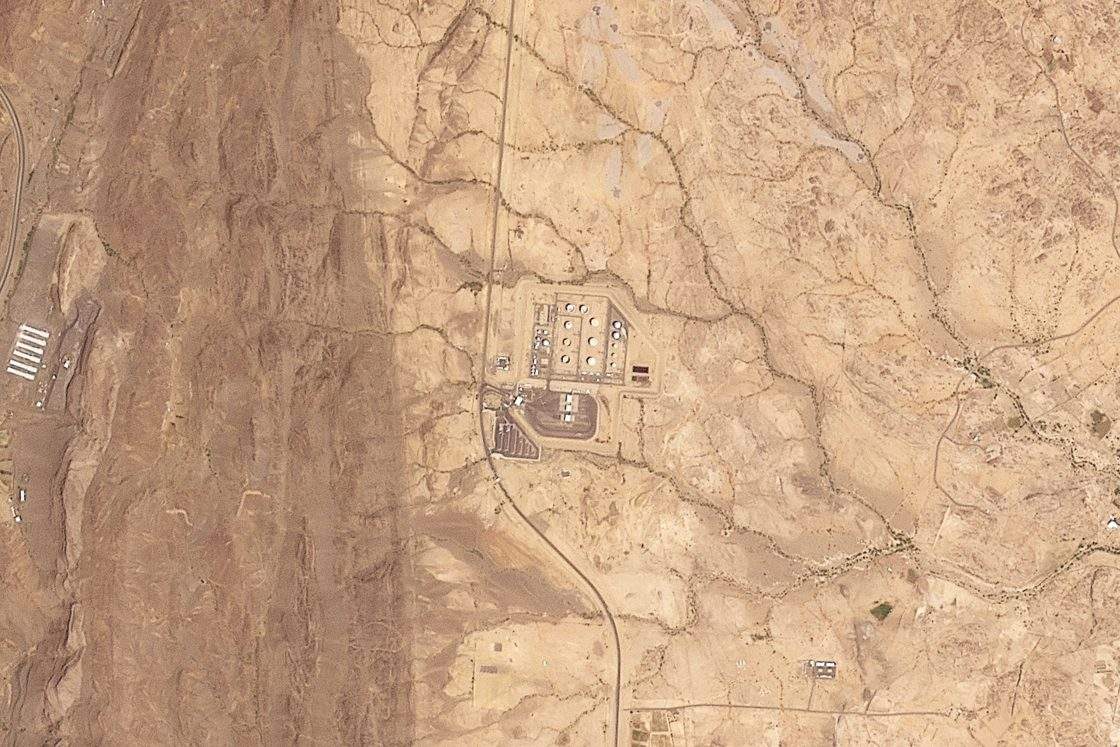
Markets reacted after the U.S. military reported striking five Iranian tankers in response to attempted missile attacks on a Navy warship and after attacks by an Iranian-backed Houthi rebel group ignited fires at oil facilities in Saudi Arabia.
Crude oil prices shot up after Israel and the United States initiated a war with Iran, and they have fluctuated considerably during the more than six months since then. The fighting has halted most shipping through the Strait of Hormuz, a narrow waterway through which a fifth of the world’s oil supply passed before the war began.
Brent traded between about $70 to $100 a barrel for much of March, April and May. In July, prices swung between $72 and $102, reflecting rising and falling hopes that the U.S. and Iran would agree on a plan that would allow stranded tankers to move oil safely out of the Persian Gulf.
“In our view, reaching a durable deal before the U.S. midterm elections is increasingly unlikely, and it could remain elusive even beyond that,” Bank of America analysts said in a Tuesday research note.
The analysts increased their oil price forecast for the second half of the year to $83 a barrel “in light of more persistent disruptions to Hormuz,” but said they still expected shipping through the strait to gradually pick up. If attacks keep a chokehold on traffic, prices could reach $95 to $120 a barrel, while damage to major energy infrastructure could produce spikes of up to $150 a barrel, the analysts wrote.

U.S. diesel prices soar to all-time high as war in Iran rages on
Negotiations over a preliminary deal between the U.S. and Iran to end the conflict broke down over control of the Strait of Hormuz. Iran insists it has the right to set the terms and charge fees for ships traveling through the waterway off its coast. The U.S. wants passage to remain free and has used a Navy blockade to block Iran’s ports and oil tankers.
Recent stepped-up attacks by Yemen’s Houthis could constrain global oil supplies even more because they targeted an alternative shipping route that Saudi Arabia has relied on to transport oil during the war.
Higher energy costs have weighed on consumers, businesses and national economies this year, particularly outside of the U.S.
Refinery outages in Russia, reduced refining activity elsewhere and sharply declining inventories have pushed diesel and gasoline prices sharply higher globally, Bank of America said this week.
Yet rising prices may have an outsized impact on the upcoming U.S. midterm elections, now just eight weeks away.
– with a file from Global News’ Ariel Rabinovitch
© 2026 The Canadian Press